Press release
CellNet™ wins a 2026 R&D 100 Award, its second international award this year
Named one of the year’s 100 most significant new technologies, in the Process/Prototyping category, for making blood filter fibers with globally competitive performance, without process wastewater or organic solvents.
In brief
- CellNet™ is a 2026 R&D 100 Award winner in the Process/Prototyping category, chosen from 149 finalists.
- It is CellNet™’s second international award of 2026, after Silver at the Edison Awards in April, and follows Sangtech’s 2022 R&D 100 finalist entry in the same category.
- The award recognizes a supercritical CO₂ process that functionalizes the surface of filter fibers without water or solvents.
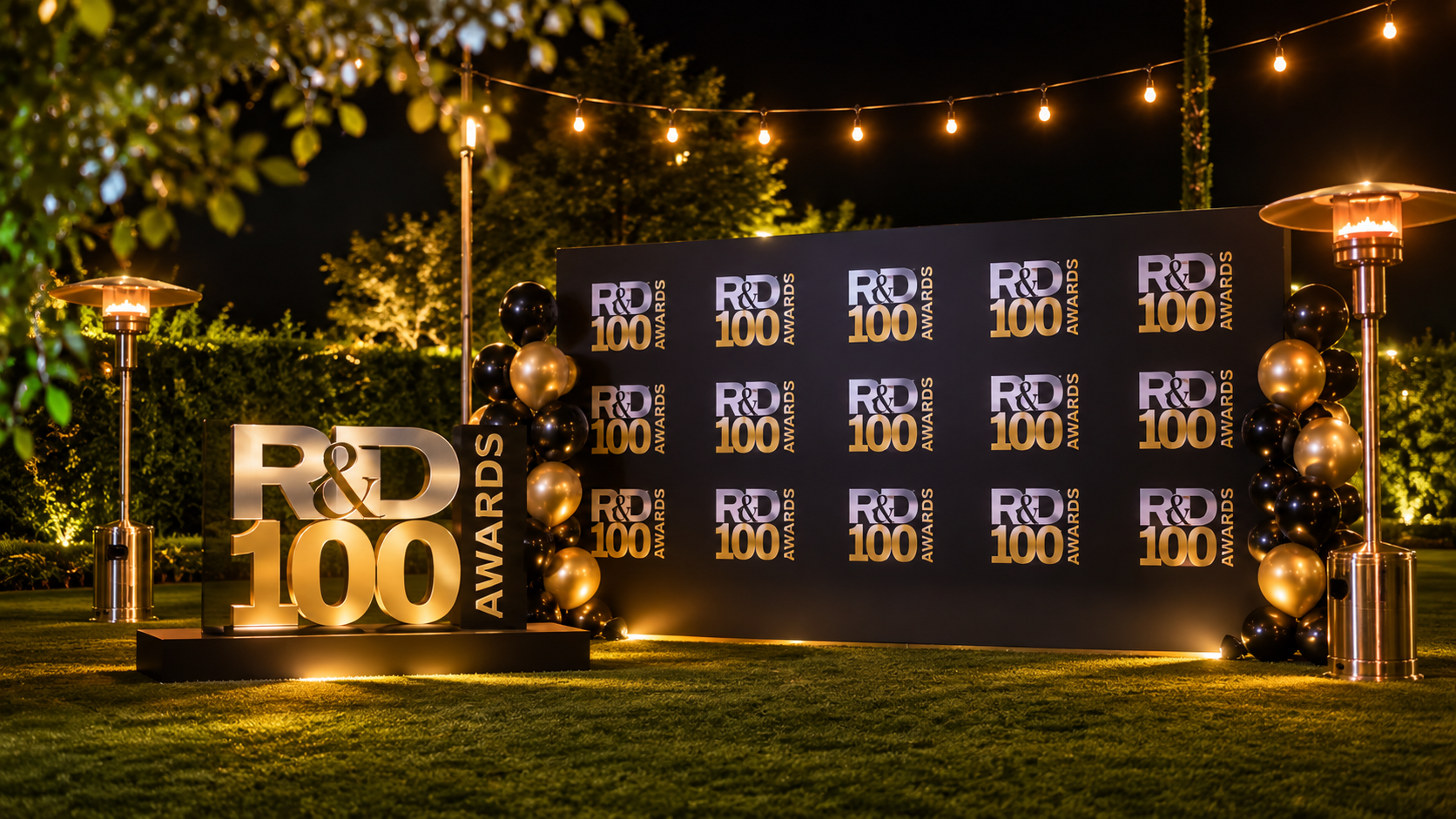
TAIPEI, August 7, 2026. Sangtech Lab Inc.’s CellNet™ technology has been named a winner of the 2026 R&D 100 Awards, in the Process/Prototyping category. R&D World announced the 100 winners, chosen from 149 finalists across six categories, on August 6.
It is CellNet™’s second international award this year. In April, the CellNet™ Leukocyte Reduction Filter won Silver at the 2026 Edison Awards, in the Energy & Climate Resiliency category.
The award
 R&D 100 Awards 2026Winner · Process/Prototyping
- Award: 2026 R&D 100 Awards, winner
- Category: Process/Prototyping
- Track record: 2022 finalist, 2026 winner, both in Process/Prototyping
- Entry: CellNet™: Next-Generation Blood Filters – High Purity, Water-Free, and Solvent-Free Surface Functionalization of Fibers
- Developed by: Sangtech Lab Inc., in joint work with the Taiwan Textile Research Institute (TTRI)
Winners will be honored at the R&D 100 gala banquet at the Grand Hyatt Scottsdale Resort in Arizona on November 19, 2026.
Why now: from finalist to winner
It is the second time Sangtech’s supercritical CO₂ process has reached the R&D 100 Awards. Sangtech began its research into supercritical fluid processing and CellNet™ in 2016. In 2022, with its eco-friendly development process quantified, “Sangtech’s Green Process utilizes Supercritical Fluid for Leukocyte Reduction Filter” earned a finalist place in the same Process/Prototyping category.
What changed is scale. Sangtech built its production plant in Yilan, Taiwan, that same year, and commercialized CellNet™ in 2025. The process now runs in full commercial production at the ISO 13485 plant, proving the model at manufacturing scale. In 2026, it won.
What the R&D 100 Awards are
Established in 1963 and run by R&D World, the R&D 100 Awards recognize new commercial products, technologies and materials for their technological significance. To be eligible, an innovation must be available for sale or license. The 2026 competition was the 64th, and its winners were chosen by a judging panel of more than 50 industry professionals from around the world.
What Process/Prototyping means
The R&D 100 Awards have six categories: Analytical/Test, IT/Electrical, Mechanical/Materials, Process/Prototyping, Software/Services and Other. Process/Prototyping recognizes advances in how things are made, rather than finished devices. It covers:
- Process systems: mixing, formulating, distilling, baking, coating and similar processes.
- Additive manufacturing: 3D printing and rapid prototyping.
- Supply chain: management and operations.
- Process improvement: design, production and distribution strategies.
It was the most contested category this year, with 38 of the 149 finalists. CellNet™ belongs here because what was recognized is a manufacturing process: the way the surface of the filter fibers is functionalized, before they become a filter.
The process behind CellNet™
R&D World’s entry opens with the idea behind it: “As the world races toward net-zero, CO2 is no longer waste but a resource.” To make filter fibers compatible with blood, conventional manufacturing treats them in chemical baths and rinses them with water. CellNet™ uses recycled supercritical CO₂ instead. Under pressure, CO₂ behaves like a liquid and carries the surface chemistry into the fibers; when the pressure is released it returns to a gas and is recaptured for the next batch.
No water or organic solvents are used and no process wastewater is produced. Per kilogram of media, the modification step uses 0 liters of process water, with more than 90% less process carbon than conventional processing at the media processing stage. The figures, boundaries and method are on our sustainability page.
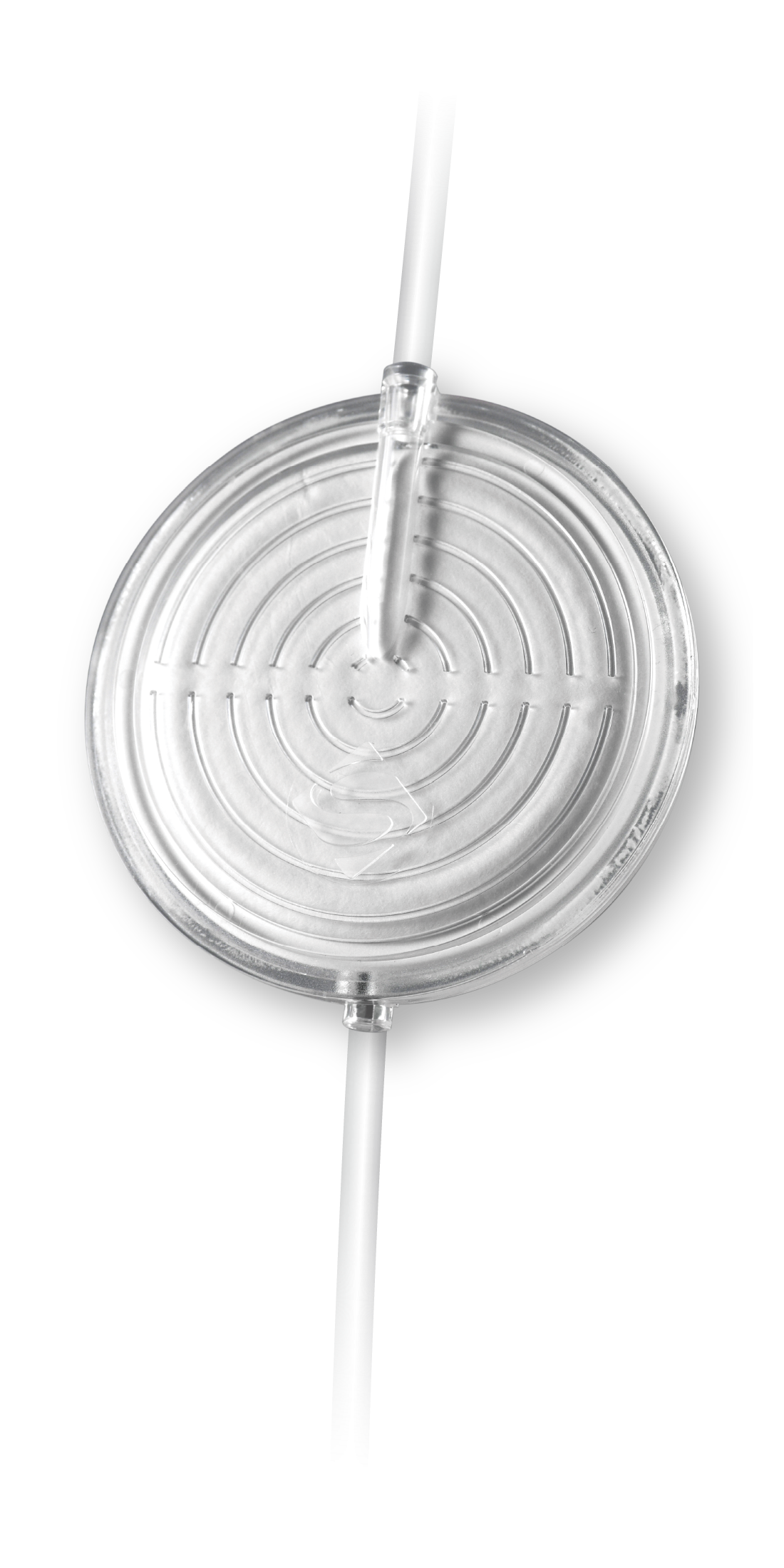
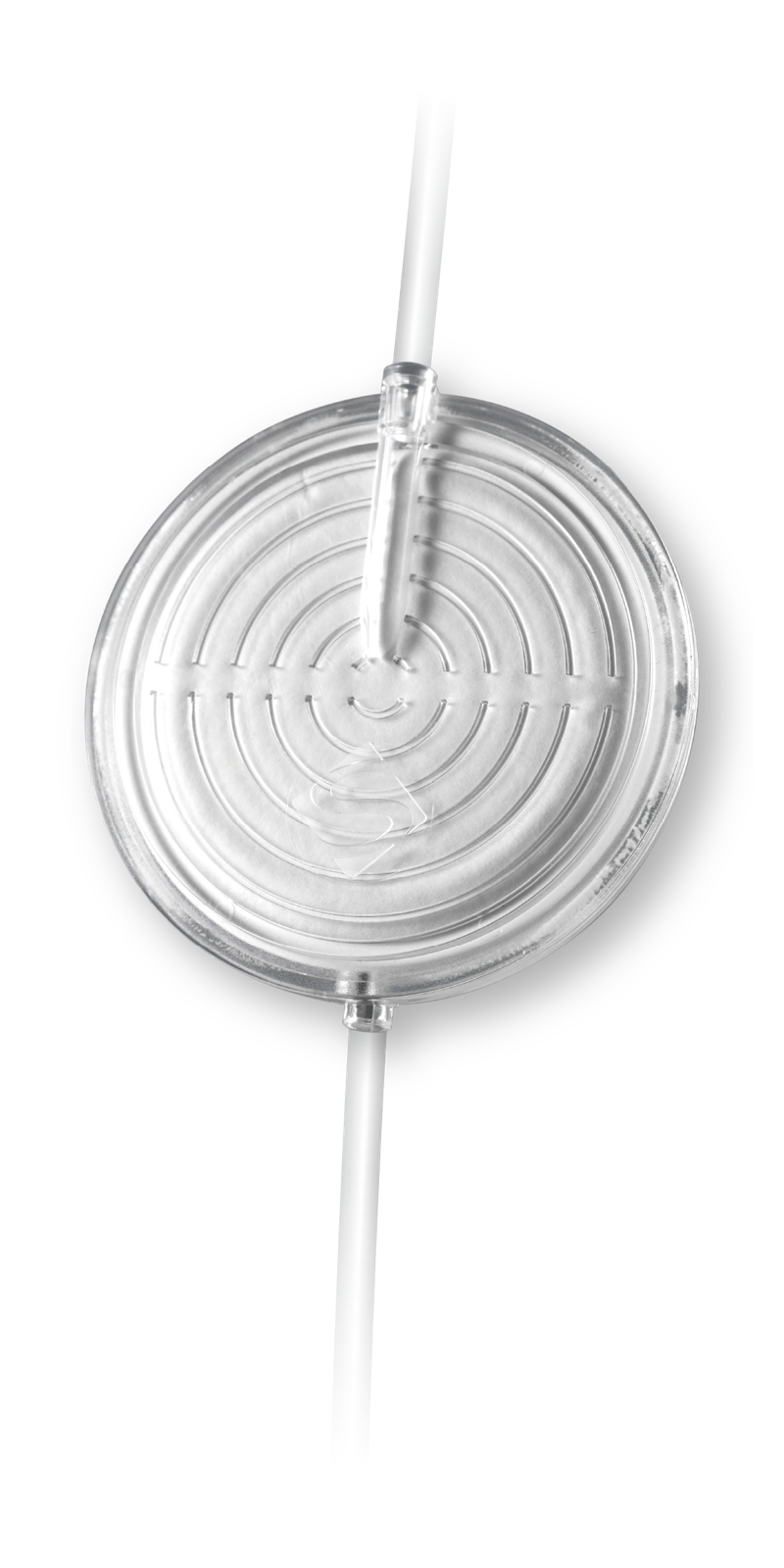
Figure 1CellNet™ PR, the inline whole blood filter built with CellNet™ media.
Sangtech’s technology, made in Taiwan
CellNet™ is Sangtech’s technology and a trademark of Sangtech Lab Inc. Sangtech developed it, holds the patents on its supercritical CO₂ process in Taiwan, the United States, Korea and Japan, and makes it in Taiwan. The award-winning work was carried out jointly with TTRI CellNet™ PR is the first and only commercial whole blood inline leukoreduction filter in the world manufactured without organic solvents or process wastewater.
CellNet™ media is made at Sangtech’s ISO 13485 manufacturing site in Yilan and built into CellNet™ PR, a non-DEHP inline whole blood filter supplied as a component to the companies that make blood collection sets, in two sizes for units from 200 to 500 mL.
R&D World. Presenting the 2026 R&D 100 Awards winners. August 6, 2026. Process/Prototyping: CellNet™: Next-Generation Blood Filters – High Purity, Water-Free, and Solvent-Free Surface Functionalization of Fibers.
See all sourcesR&D 100 Awards. Submission categories, including Process/Prototyping and its sub-categories, and program description.
See all sourcesEdison Awards. CellNet™ Leukocyte Reduction Filter, 2026 Silver, Energy & Climate Resiliency: Waste-to-Value Material Systems.
See all sourcesR&D World. R&D 100 finalists for 2022 are announced. August 15, 2022. Process/Prototyping: Sangtech’s Green Process utilizes Supercritical Fluid for Leukocyte Reduction Filter, Sangtech LAB Inc.
See all sources